• Quiénes Somos
  • Qué Hacemos
  • Cultura
  • Noticias
  • 25 Aniversario
  • Contacto
ESPAÑOL | ENGLISH

Drago

  • Quiénes Somos
  • Qué Hacemos
  • Cultura
  • Noticias
  • 25 Aniversario
  • Contacto
ESPAÑOL | ENGLISH

6 October 2026 by Matt

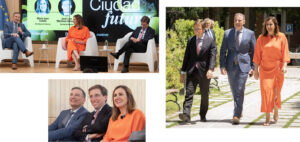
DRAGO held a breakfast with media at its offices to present Castellana 198, the urban regeneration project that will transform a building originally conceived as a hotel into a residential building on Paseo de la Castellana in Madrid.

The presentation featured Christina Seilern, a Swiss-Austrian architect and founder of London-based Studio Seilern Architects. A graduate of Columbia University, Seilern was the founding director of the London office of Rafael Viñoly Architects (RVA) before establishing her own studio in 2006. During the event, she outlined the architectural principles guiding the building’s transformation and its integration into the urban environment.

Representing DRAGO were Mayte Medina, Director of Operations, and Germán López-Madrid, Director of Acquisitions.

Luis Valdés, Marketing Director of CBRE, the firm responsible for the exclusive marketing of the project, addressed the context of the residential market and the evolution of northern Madrid.

The meeting allowed the architectural vision and real estate plan of Castellana 198, which has received coverage in various national media outlets, to be shared with the press.

DRAGO thanks the journalists for their attendance and interest, as well as the teams and collaborators who made the organization of the day possible.
https://drago.com.es/wp-content/uploads/2026/10/DRAGO-Castellana-198-video.mp4

Filed Under: EN

6 October 2026 by Matt

DRAGO celebró en sus oficinas un desayuno con medios de comunicación para presentar Castellana 198, el proyecto de regeneración urbana que transformará un edificio concebido originalmente como hotel en un residencial en el paseo de la Castellana de Madrid.

La presentación contó con Christina Seilern, arquitecta suizo-austriaca y fundadora de Studio Seilern Architects, con sede en Londres. Formada en la Universidad de Columbia, Seilern fue directora fundadora de la oficina londinense de Rafael Viñoly Architects (RVA) antes de establecer su propio estudio en 2006. Durante el encuentro, expuso los criterios arquitectónicos que guían la transformación del edificio y su integración en el entorno urbano.

Por parte de DRAGO, participaron Mayte Medina, directora de Operaciones, y Germán López-Madrid, director de Adquisiciones.

Luis Valdés, director de Comercialización de CBRE, firma responsable de la comercialización en exclusiva del proyecto, abordó el contexto del mercado residencial y la evolución del norte de Madrid.

El encuentro permitió compartir con la prensa la visión arquitectónica y el planteamiento inmobiliario de Castellana 198, que ha recibido cobertura en distintos medios nacionales.

DRAGO agradece a los periodistas su asistencia e interés, así como a los equipos y colaboradores que hicieron posible la organización de la jornada.

https://drago.com.es/wp-content/uploads/2026/10/DRAGO-Castellana-198-video.mp4

Filed Under: Uncategorised

6 October 2026 by Matt

Una firma española con presencia internacional

DRAGO es una firma española de inversión y gestión inmobiliaria con actividad en España, Portugal y Estados Unidos. A lo largo de su trayectoria, la compañía ha combinado el conocimiento de su mercado de origen con una perspectiva internacional en el diseño y la ejecución de sus operaciones.

Su presencia internacional se ha desarrollado de forma gradual, siguiendo los criterios de inversión y gestión de la firma. La entrada en nuevos mercados ha respondido a la identificación de oportunidades en las que aplicar su modelo de trabajo.

DRAGO-Presencia-internacional-2

España, el mercado principal

España sigue siendo el mercado principal de DRAGO y concentra en torno al 80% de los activos bajo gestión. Es el mercado en el que la firma ha acumulado mayor experiencia, una amplia red de contactos y un conocimiento detallado de las particularidades locales. Esta trayectoria constituye la base de su actividad y de la experiencia que aplica en otros mercados.

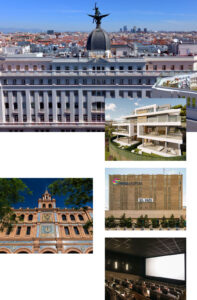
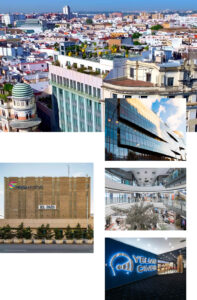
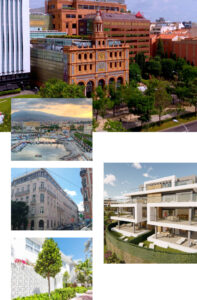
DRAGO ha participado en operaciones de transformación, reposicionamiento y gestión de activos en algunas de las principales ciudades españolas. Entre ellas se encuentran Gran Vía 32, cuya reforma integral contribuyó a la revitalización de uno de los principales ejes comerciales de Madrid, y el Hotel Querencia, en Sevilla, como parte de la diversificación de la firma hacia el sector hotelero. Su trayectoria incluye también operaciones de inversión y gestión de oficinas como Las Mercedes Business Park, en Madrid. ABC Serrano forma parte de los activos bajo gestión de la firma.

Esta actividad tiene continuidad en Castellana 198, el proyecto más reciente de DRAGO y una de las operaciones que caracterizan su nueva etapa. Mediante la transformación de un edificio concebido como hotel en un proyecto residencial, recoge el enfoque que ha orientado la actividad de la compañía durante estos 25 años: identificar el potencial de activos complejos, resolver los condicionantes que limitan su desarrollo y transformarlos para reincorporarlos a la ciudad con nuevos usos y valor, desde una perspectiva de largo plazo.

DRAGO-Presencia-internacional-3

Portugal, la primera expansión

La actividad internacional de DRAGO comenzó en Portugal, con operaciones en el sector residencial. La proximidad geográfica y cultural con España, junto con las dinámicas propias del mercado portugués, hizo de este país el primer ámbito de aplicación y adaptación de su modelo fuera del mercado de origen.

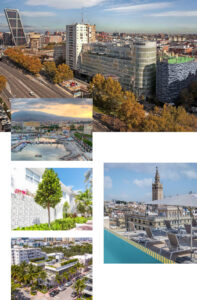
Entre los proyectos de la compañía en Lisboa se encuentra Casas de Santos, vinculado a la rehabilitación y puesta en valor de edificios integrados en el tejido urbano. A esta trayectoria se suman operaciones como el Edificio Apot, también en Lisboa, que forma parte de los 25 años de actividad de DRAGO y de su experiencia en la identificación de oportunidades y la gestión de procesos de reposicionamiento fuera de España.

DRAGO-Presencia-internacional-4

Estados Unidos, crecimiento a largo plazo

Estados Unidos constituye otra etapa de la expansión internacional de DRAGO. La compañía opera en el país a través de su presencia en Miami y ha centrado parte de su actividad en el desarrollo y reposicionamiento de apartamentos de corta estancia en entornos urbanos.

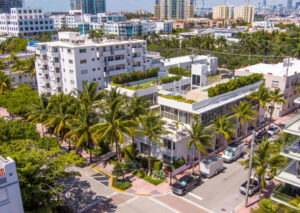
Uno de los primeros proyectos fue 250 Collins Avenue, en Miami Beach, un desarrollo de apartamentos turísticos de lujo inaugurado en 2019. Posteriormente, DRAGO amplió su presencia con 2150 Park Avenue, también en Miami Beach, mediante la remodelación integral de un edificio de 1947 y su transformación en apartamentos de uso hotelero.

Ambas operaciones responden a la estrategia de la firma en Estados Unidos: identificar activos con potencial en localizaciones consolidadas, intervenir mediante una gestión activa y adaptarlos a nuevos usos con el objetivo de generar valor a largo plazo.

La actividad en Estados Unidos ha permitido a DRAGO ampliar su experiencia en un mercado de gran tamaño y con dinámicas diferentes a las europeas, manteniendo los principios que orientan su inversión y gestión.

Criterios de inversión y gestión

DRAGO aplica un mismo modelo de gestión en los mercados en los que opera, adaptándolo a las particularidades de cada entorno. La gestión directa y activa, el análisis estratégico, la coinversión y la perspectiva de largo plazo son los principios que estructuran este modelo.

La adaptación de este enfoque a distintos países forma parte de la experiencia acumulada por la firma en su actividad internacional. Para el inversor, supone continuidad en los criterios y en la forma de trabajar de DRAGO en cada mercado.

Filed Under: EN

6 October 2026 by Matt

DRAGO is a Spanish real estate investment and management firm operating in Spain, Portugal, and the United States. Throughout its history, the company has combined its knowledge of its home market with an international perspective in the design and execution of its transactions.

Its international presence has developed gradually, following the firm’s investment and management criteria. Entry into new markets has been driven by the identification of opportunities to apply its working model.

DRAGO-Presencia-internacional-2

Spain, the main market

Spain remains DRAGO’s primary market, accounting for approximately 80% of its assets under management. It is the market where the firm has accumulated the most experience, a broad network of contacts, and in-depth knowledge of local market characteristics. This track record forms the basis of its business and the expertise it applies in other markets.

DRAGO has participated in transformation, repositioning, and asset management projects in some of Spain’s major cities. These include Gran Vía 32, whose comprehensive renovation contributed to the revitalization of one of Madrid’s main commercial thoroughfares, and the Hotel Querencia in Seville, as part of the firm’s diversification into the hotel sector. Its track record also includes investment and office management projects such as Las Mercedes Business Park in Madrid. ABC Serrano is among the assets under management by the firm.

This approach continues in Castellana 198, DRAGO’s most recent project and one of the key developments in its new phase. By transforming a building originally designed as a hotel into a residential project, it embodies the approach that has guided the company’s activity for the past 25 years: identifying the potential of complex assets, resolving the constraints that limit their development, and transforming them to reintegrate them into the city with new uses and value, from a long-term perspective.

DRAGO-Presencia-internacional-3

Portugal, the first expansion

DRAGO’s international activity began in Portugal, with operations in the residential sector. The geographical and cultural proximity to Spain, along with the dynamics of the Portuguese market, made this country the first area where its model was applied and adapted outside its home market.

Among the company’s projects in Lisbon is Casas de Santos, which involves the rehabilitation and enhancement of buildings integrated into the urban fabric. This track record is complemented by projects such as the Apot Building, also in Lisbon, which reflects DRAGO’s 25 years of activity and its experience in identifying opportunities and managing repositioning processes outside of Spain.

DRAGO-Presencia-internacional-4

United States, long-term growth

The United States represents another stage in DRAGO’s international expansion. The company operates in the country through its presence in Miami and has focused part of its activity on the development and repositioning of short-term rental apartments in urban environments.

One of the first projects was 250 Collins Avenue, in Miami Beach, a luxury tourist apartment development that opened in 2019. Subsequently, DRAGO expanded its presence with 2150 Park Avenue, also in Miami Beach, through the comprehensive renovation of a 1947 building and its transformation into hotel-use apartments.

Both operations are part of the firm’s strategy in the United States: to identify assets with potential in established locations, to intervene through active management and adapt them to new uses with the aim of generating long-term value.

The activity in the United States has allowed DRAGO to expand its experience in a large market with dynamics different from those in Europe, while maintaining the principles that guide its investment and management.

Investment and management criteria

DRAGO applies the same management model across all the markets in which it operates, adapting it to the specific characteristics of each environment. Direct and active management, strategic analysis, co-investment, and a long-term perspective are the principles that structure this model.

Adapting this approach to different countries is part of the firm’s accumulated experience in its international operations. For investors, it ensures continuity in DRAGO’s criteria and working methods in each market.

Filed Under: EN

31 August 2026 by Matt

Qué significa gestionar de forma directa y activa

En el sector inmobiliario conviven formas muy distintas de operar. Algunas firmas se centran en la transacción, en la compraventa como fin en sí mismo; otras persiguen el rendimiento a corto plazo, entrando y saliendo de los activos con rapidez. DRAGO ha construido su identidad sobre un enfoque diferente: la gestión directa y activa de los activos inmobiliarios, entendida como un compromiso continuado con cada inmueble a lo largo de todo su ciclo de vida. Este planteamiento, sostenido durante veinticinco años, es lo que ha permitido a la firma navegar con éxito los distintos ciclos del mercado y consolidarse como una plataforma independiente de referencia.

La diferencia no es solo semántica. Gestionar de forma activa implica una manera concreta de trabajar: estar cerca del activo, conocer sus particularidades, anticipar sus necesidades y tomar decisiones informadas en cada fase. Frente a modelos más pasivos, donde el capital se limita a esperar la revalorización, la gestión activa busca provocarla mediante la intervención directa sobre la propiedad y su entorno.

Cercanía al activo y al capital

El primer pilar del modelo es la proximidad. DRAGO mantiene una cercanía constante tanto con los inmuebles que gestiona como con el capital que los respalda. Esta doble cercanía es deliberada: permite que las decisiones se tomen con un conocimiento real de la situación de cada activo y con una comprensión precisa de los objetivos de los inversores. No se trata de gestionar a distancia una cartera abstracta, sino de implicarse en la identificación, la transformación y la revalorización de cada propiedad concreta.

Esa proximidad se traduce en agilidad y en criterio. Cuando el mercado cambia —y en el sector inmobiliario cambia con frecuencia—, la capacidad de reaccionar con rapidez y con información de primera mano marca la diferencia entre aprovechar una oportunidad o dejarla pasar. La gestión activa ha sido determinante para que la firma se adaptara a las condiciones cambiantes del mercado y generara valor de forma consistente a lo largo de los años, en contextos económicos muy diferentes entre sí.

Alineación de intereses

El segundo pilar es la alineación de intereses. La confianza de los socios de DRAGO se ha cimentado en la transparencia y en la búsqueda de oportunidades que, a menudo, se encuentran fuera de los canales tradicionales. Aquí entra en juego el modelo de coinversión: la firma no se limita a gestionar capital ajeno, sino que invierte junto a sus socios institucionales y privados, compartiendo el riesgo y el compromiso con el resultado. Cuando quien gestiona un activo también participa en su resultado, los incentivos se ordenan de forma natural hacia el largo plazo.

Esta alineación explica buena parte de la relación de confianza que la firma ha construido con inversores institucionales de primer nivel a lo largo de su historia. La transparencia en la información, la honestidad sobre los riesgos y la coherencia entre lo que se dice y lo que se hace son la base sobre la que se sostiene un modelo de gestión activa creíble.

Análisis estratégico y creación de valor

El tercer pilar es el análisis estratégico riguroso. La gestión activa no consiste en intervenir por intervenir, sino en identificar dónde y cómo se puede crear valor real. Esto exige un trabajo previo de análisis que estudia cada activo en su contexto: su ubicación, su potencial de transformación, la demanda del mercado en su segmento y las posibilidades de reposicionamiento o desarrollo. Sobre esa base, la firma diseña una estrategia específica para cada propiedad.

Este enfoque se ha aplicado en prácticamente todos los subsectores del mercado inmobiliario (oficinas, residencial, retail y hoteles), siempre con una perspectiva de regeneración urbana y creación de valor sostenible. El resultado, a lo largo de veinticinco años, es una trayectoria que ha dejado una huella tangible en el paisaje urbano y que ha consolidado a la firma como un actor de referencia en la transformación de activos complejos.

Filed Under: Uncategorised

9 July 2026 by Matt

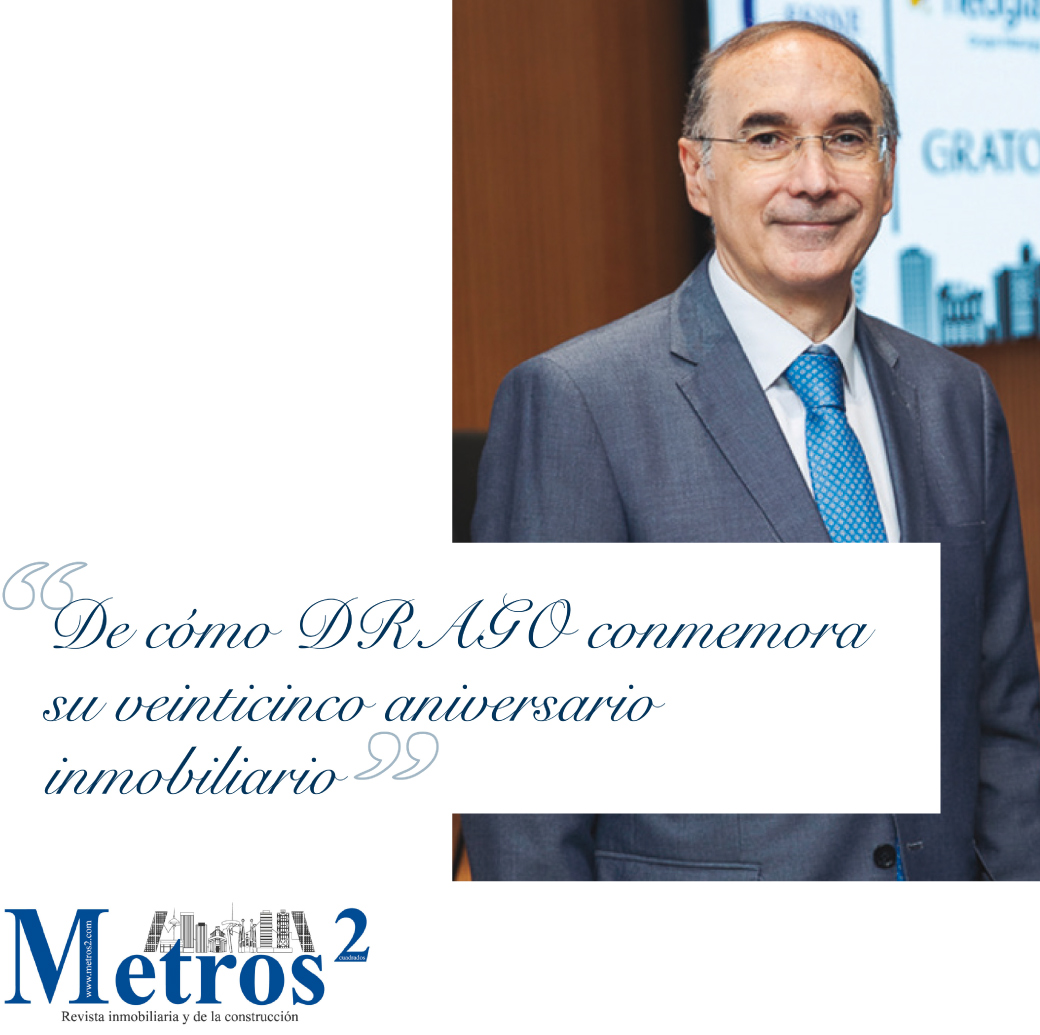
José María Álvarez, director of Metros 2 , dedicates this article to reviewing DRAGO’s history on the occasion of its 25th anniversary. Below, we reproduce in full the text published in May 2026.

Metros 2, José María Álvarez · Director of Metros 2, May 2026

Luis Iglesias, founding partner and CEO of DRAGO, has the honor of celebrating the company’s 25th anniversary. DRAGO is an independent platform dedicated to the most significant real estate investment and management in the Iberian Peninsula.

With a highly experienced and top-tier team of professionals, they have spearheaded numerous projects in this sector over the last quarter of a century. A prime example is the innovative development of the former ABC newspaper headquarters on Serrano Street in Madrid, now a shopping center in the heart of the city. Other notable projects include the commercial renovation of the building at Gran Vía 32, home to Primark and the SER radio network, and the Castellana 198 and 200 projects on a major thoroughfare in the capital. They also have a presence in Seville, with their work on the Hotel Querencia.

Internationally, they have also made their mark in Portugal with the complete renovation of the building known as Casa de Santos. And finally, the company also has a presence in the United States. The list is too long and the space too short to fully capture the extensive investment journey undertaken over this period. What is worth highlighting, however, is that year after year they have managed to establish themselves as one of the major players in the national investment landscape.

It currently manages a real estate portfolio exceeding four billion euros. It has twenty-six structured investment vehicles and manages over two million square meters of real estate. These figures have positioned it at the top of the real estate ranking in terms of transformation and value creation in such a competitive sector as the real estate market. Anyone curious enough to visit its corporate website can easily verify these details.

In addition to the impressive operational track record achieved throughout the aforementioned period, it is worth highlighting its management team, one of the most specialized in the country. In this regard, and as they explain, their investment model has always been based on conducting a thorough strategic analysis, institutional co-investment, and very active management.

Thus, throughout their history, they have participated in complex transactions across subsectors of the real estate market, such as offices, residential, retail, hotels, and logistics. In short, they cover virtually every aspect of investment. Among their historical achievements, it’s worth noting that they were the first to launch an institutional fund back in 2006. They also participated in the first sale and leaseback transaction of a major group of branches belonging to Banco Santander. Furthermore, throughout their history, they have worked with internationally renowned investors such as Cerberus, PSP, TPG, and Starwood, among others.

Profitability and sustainability have also been hallmarks of the company, but above all, they emphasize independence and professionalism. These four pillars are crucial to their survival, having enabled them to reach this first quarter-century. And all this despite having had to contend with the Puyol family name at one point in their history, a relationship they severed last year. A clean slate.

It is not necessary in this humble forum to highlight the successes or failures of a company. That is the role of the readers’ good judgment, or, failing that, the judges’. What does deserve praise, however, is that a Spanish real estate company is leading the investment market, a dazzling arena where large international funds, both sovereign and private, and so-called family offices dominate the global landscape.

Filed Under: EN

9 July 2026 by Matt

José María Álvarez, director de Metros2, dedica este artículo a repasar la trayectoria de DRAGO con motivo de su 25.º aniversario. A continuación, reproducimos íntegramente el texto publicado en mayo de 2026.

Metros2, José María Álvarez · Director de Metros2, Mayo 2026

A Luis Iglesias, socio fundador y consejero delegado de DRAGO le corresponde el honor de celebrar el primer cuarto de vida de su compañía. Una plataforma independiente dedicada a la inversión y gestión inmobiliaria más relevantes de la península ibérica.

Con un equipo de profesionales muy experimentado y de primer nivel, durante el último cuarto de siglo han protagonizado múltiples operaciones en este sector. Así como ejemplo basta mencionar el innovador desarrollo del antiguo edificio sede del diario ABC en la madrileña calle Serrano. Hoy convertido en un centro comercial en pleno corazón de la ciudad. La remodelación comercial del inmueble situado en Gran Vía 32, sede de Primark o de la cadena radiofónica SER. Las operaciones de Castellana 198 y 200 en plena arteria de la capital. Por mencionar algunas. También en Sevilla desembarcaron en el Hotel Querencia.

A nivel internacional en Portugal también han dejado su impronta inmobiliaria, con la rehabilitación integral del edificio conocido como Casa de Santos. Y, por último, la sociedad está presente también en Estados Unidos. La lista es demasiado larga y el espacio informativo demasiado corto para intentar reflejar el largo camino inversor desarrollado durante todo este tiempo. Lo que sí merece la pena destacar es que año tras año se ha conseguido posicionar como uno de los grandes protagonistas del panorama inversor nacional.

Actualmente gestiona una cartera de activos inmobiliarios superior a los cuatro mil millones de euros. Cuenta con veintiséis vehículos de inversión estructurados y más de dos millones de metros cuadrados en gestión. Unos datos que la han posicionado en lo más alto del ranking inmobiliario en lo referido a trasformación y creación de valor en un sector tan competitivo como es el mercado inmobiliario. Si por curiosidad informativa uno echa un vistazo a su página web corporativa podrá cotejar estos datos con facilidad.

Además de la gran trayectoria operacional protagonizada durante todo el periodo ya mencionado conviene destacar a su equipo directivo, uno de los más especializados del país. En este sentido y, según explican ellos, su modelo de inversión siempre se ha basado en la realización de un completo análisis estratégico, la coinversión institucional y una gestión muy activa.

Así, a lo largo de su historia han participado en complejas operaciones en subsectores del mercado inmobiliario como las oficinas, el residencial, el retail, el hotelero o el logístico. Vamos que tocan prácticamente todos los palillos de la inversión. En el apartado de logros históricos hay que recordar que fueron los primeros en lanzar un fondo institucional allá por el año 2006. O que participaron en la primera operación de sale & leaseback de un importante grupo de sucursales pertenecientes al Banco Santander. Además, en toda su historia han trabajado con inversores de renombre internacional como Cerberus, PSP, TPG o Starwood, entre otros.

La rentabilidad y la sostenibilidad también ha sido señas de identidad de la compañía, pero sobre todo ellos hablan de independencia y profesionalidad. En total son cuatro pilares para tener muy en cuenta ya que les ha permitido llegar con vida a este primer cuarto de siglo. Y todo ello a pesar de haber tenido que enfrentarse en una de sus etapas al apellido Puyol, del cual se desligaron el año pasado. Borrón y cuenta nueva.

No es menester en esta humilde tribuna destacar los aciertos o errores de una empresa. Para ello está el buen juicio de los lectores o a las malas de los jueces. Lo que sí merece alabanza es que una empresa inmobiliaria española esté liderando el mercado de la inversión, un fulgurante reino donde los grandes Fondos Internacionales, soberanos o privados, y los denominados family offices, dominan todo el tablero mundial.

Filed Under: Uncategorised

4 July 2026 by Matt

EL CONFIDENCIAL, Ruth Ugalde July 4 2026

The crowning touch to the Castellana 200 complex. The entire corner where Reyal Urbis planned a hotel will be an ultra-luxury development, with apartments exceeding 400 square meters.

Twenty years have passed since Reyal Urbis acquired eight buildings from Restaura that were part of the “Manzana Castellana” project, a regeneration plan for the area bounded by this famous thoroughfare and the streets Félix Boix, Doctor Fleming, and Carlos Maurrás. The goal of Rafael Santamaría’s development company was to create a complex, named Castellana 200, that would include offices, retail space, restaurants, an 844-space parking garage, and a five-star hotel.

But the bursting of the housing bubble led Reyal to one of the biggest corporate bankruptcies in Spanish history. His downfall came when part of this ambitious project, the hotel, which was to occupy the entire corner of Paseo de la Castellana and Calle Carlos Maurrás, was still under construction. In total, 20,000 square meters remained unfinished.

A litany of urban planning and corporate problems turned the building into a ghost property. It remained that way for 13 long years, until Drago managed to unblock it last year. As El Confidencial reported, the firm led by Luis Iglesias won the auction held by the bankruptcy administrators in February 2025, taking advantage of a right of first refusal it held.

Although initially considering maintaining the hotel project, Drago quickly decided to capitalize on Madrid’s strong housing demand to create one of Spain’s most iconic residential developments. This project, which has been in development for a year, aims to do something different: at a time when the concept of luxury has become commonplace, Drago has opted to return to the fundamentals and prioritize quality and exclusivity.

Therefore, despite covering 20,000 square meters, the residential complex will only have 62 homes, ranging from one to four bedrooms, with floor areas between 130 and 412 square meters each. These figures include the communal areas for each home, which will be one of the distinguishing features of this development, dedicating 2,000 square meters to exclusive amenities for residents.

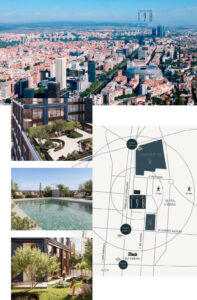
Castellana 198 will feature a private club , a spa with an indoor pool, sauna and hammam, a gym, treatment rooms, a private cinema, a bar, a kitchen for gastronomic events, a wine cellar, a golf simulator, a kids’ club, interior gardens, storage units, and parking, in addition to an outdoor pool located on the upper floors of the building. Drago’s objective with this offering is to differentiate itself from the rest of the market by offering a new approach to high-end housing, prioritizing the possibility of carrying out much of daily life within the building, without sacrificing square footage in the apartments.

On the contrary, the dimensions of the future apartments buck the shrinking trend of the rest of the market. On average, one-bedroom apartments will have 81 square meters of usable space (130 m² built); two-bedroom apartments, which are the most numerous, will have 150 square meters of usable space (240 m² built); three-bedroom apartments will reach 195 square meters (315 m²), and four-bedroom apartments will have 256 square meters (412 m²).

“The project has eleven floors of homes ; the ground floor will be the entrance through a large lobby with a garden in the background, and the services for residents will be located in the first basement of the building, except for the outdoor pool, which will be on the eighth floor,” explains Mayte Medina, director of operations at Drago , who avoids revealing any price reference for the future homes.

Designed by the international firm Studio Seilern Architects and marketed by CBRE , these homes have already attracted interest from both domestic and international buyers, who have purchased half of the development in just three months. “In this first phase, we’ve seen a majority of investors, but we believe that in the second phase the percentage of end buyers will increase. We’ve had 40% Latin American buyers, and of the domestic buyers, 60% are from outside Madrid,” Medina points out.

Despite the summer season, management is confident of maintaining this sales pace in the second half of the year, which, if confirmed, would allow Drago to sell out this year. The developer plans to invest €100 million in the entire project, with an initial goal of completion by 2028.

“We are fully confident in maintaining a good pace during the second half of the year , supported by two very solid buyer profiles. On the one hand, there are investors, especially interested in smaller homes, who won’t want to miss the opportunity to be part of such an iconic project at Castellana 198. On the other hand, there are more emotional and family-oriented buyers, who know Chamartín well and for whom three- and four-bedroom homes are particularly attractive,” explains the operations director.

The crown jewel will be the five duplex penthouses located on the tenth floor of Castellana 198 , a project with which Drago aims to put the finishing touch on its 25th anniversary. Instead of demolition, the firm has opted to preserve the existing structure , originally designed for hotel use, and extend its lifespan by incorporating more contemporary sustainability and efficiency criteria.

From an architectural standpoint, the building’s façade stands out , composed of large glazed terracotta tiles in shades of petrol blue, natural stone, and expansive glass surfaces. Drago’s aim is to create a unique and recognizable image within the northern Madrid skyline, an area destined for profound transformation in the coming decades, as it serves as the gateway to the Chamartín Operation.

https://198castellana.com/

Filed Under: EN

4 July 2026 by Matt

EL CONFIDENCIAL, Ruth Ugalde 4 de Julio de 2026

Broche de oro al complejo de Castellana 200. Todo el esquinazo donde Reyal Urbis proyectó un hotel será una promoción de ultralujo, con pisos que superarán los 400 metros cuadrados.

Han pasado 20 años desde que Reyal Urbis adquirió a Restaura ocho edificios que formaban parte del proyecto “Manzana Castellana”, un plan de regeneración del rectángulo que forma esta famosa arteria con las calles Félix Boix, Doctor Fleming y Carlos Maurrás. El objetivo de la promotora de Rafael Santamaría era hacer un complejo, bautizado como Castellana 200, que iba a aglutinar oficinas, zona comercial, restauración, un parking con 844 plazas y un hotel de cinco estrellas.

Pero el estallido de la burbuja inmobiliaria llevó a Reyal a protagonizar una de las mayores quiebras empresariales de la historia de España. Su caída en desgracia llegó cuando todavía faltaba por terminar de construir una parte de este ambicioso proyecto, el hotel, que iba a ocupar todo el esquinazo entre el Paseo de la Castellana y la calle Carlos Maurrás. En total, 20.000 metros cuadrados quedaron inacabados.

Un rosario de problemas urbanísticos y societarios convirtió el edificio en un inmueble fantasma. Así estuvo durante 13 largos años, hasta que Drago consiguió desbloquearlo el año pasado. Como adelantó El Confidencial, la firma dirigida por Luis Iglesias se impuso en la subasta que hizo la administración concursal en febrero de 2025, aprovechando un derecho de adquisición preferente que tenía.

Aunque en un primer momento valoró la posibilidad de mantener el proyecto de hotel, rápidamente tomó la decisión de aprovechar la fuerte demanda de vivienda en Madrid para hacer uno de los residenciales más icónicos de España. Un proyecto que lleva madurando un año, con el objetivo de hacer algo diferente: en un momento en el que el concepto de lujo se ha vulgarizado, Drago ha apostado por volver a los fundamentos y primar la calidad y la exclusividad.

Por eso, a pesar de contar con 20.000 metros cuadrados, el residencial solo tendrá 62 viviendas, que irán de uno a cuatro dormitorios, y cuyas superficies oscilarán entre los 130 y los 412 metros cuadrados construidos cada una. En estos números está incluida la parte de zonas comunes que corresponderá a cada hogar y que será uno de los signos diferenciales de esta promoción, que destinará 2.000 metros cuadrados a servicios exclusivos para los residentes.

Castellana 198 contará con club privado, spa con piscina interior, sauna y hammam, gimnasio, salas de tratamiento, cine privado, bar, cocina para eventos gastronómicos, vinoteca, simulador de golf, kids club, jardines interiores, trasteros y aparcamiento, además de una piscina exterior situada en las plantas superiores del edificio. El objetivo de Drago con toda esta oferta es diferenciarse del resto del mercado por una nueva forma de entender la vivienda de alta gama, que prima la posibilidad de hacer gran parte de la vida cotidiana dentro del edificio, sin por ello restar metros cuadrados a las viviendas.

Al contrario, las dimensiones de los futuros pisos rompen con la tendencia menguante del resto del mercado. De media, los apartamentos de un dormitorio tendrán 81 metros cuadrados útiles (130 m² construidos); los de dos dormitorios, que son los más numerosos, contarán con 150 metros útiles (240 m² construidos); los de tres alcanzarán los 195 metros cuadrados (315 m²), y los de cuatro tendrán 256 metros cuadrados (412 m²).

“El proyecto cuenta con once plantas de viviendas, la baja será la entrada por un gran lobby con un jardín de fondo, y los servicios para residentes se encontrarán en el primer sótano del edificio, excepto la piscina exterior, que estará en la octava planta”, explica Mayte Medina, directora de operaciones de Drago, que evita desvelar cualquier referencia de precio de los futuros hogares.

Diseñadas por el despacho internacional Studio Seilern Architects y comercializadas por CBRE, estas viviendas han despertado ya el interés tanto de compradores nacionales como internacionales, que en apenas tres meses han adquirido ya la mitad de la promoción. “En esta primera fase, hemos visto una mayoría de perfil inversor, pero creemos que en la segunda etapa aumentará el porcentaje de comprador final. Hemos tenido un 40% de comprador latinoamericano y, dentro del nacional, el 60% es de fuera de Madrid”, señala Medina.

A pesar del verano, la directiva confía en mantener este ritmo de ventas en la segunda mitad del año, lo que, de confirmarse, permitiría a Drago poner el cartel de “todo vendido” este mismo año. La promotora prevé invertir 100 millones de euros en todo el desarrollo, y su objetivo inicial pasa por tenerlo completado para el año 2028.

“Tenemos plena confianza en mantener un buen ritmo durante la segunda mitad, apoyados en dos perfiles de comprador muy sólidos. Por un lado, el inversor, especialmente interesado en las viviendas más pequeñas, que no querrá dejar escapar la oportunidad de formar parte de un proyecto tan icónico en Castellana 198. Por otro, un perfil más emocional y familiar, que conoce bien Chamartín y para quien las viviendas de tres y cuatro dormitorios resultan especialmente atractivas”, explica la directora de operaciones.

La joya de la corona serán los cinco áticos dúplex que estarán situados en la décima planta de Castellana 198, obra con la que Drago quiere poner el broche de oro a los 25 años de trayectoria que celebra este ejercicio. En lugar de optar por la demolición, la firma ha apostado por preservar la estructura existente, concebida para uso hotelero, y prolongar su vida útil, incorporando criterios de sostenibilidad y eficiencia más contemporáneos.

Desde el punto de vista arquitectónico, destaca la fachada del edificio, que estará compuesta por grandes piezas de terracota vidriada en tonos azul petróleo, piedra natural y amplias superficies acristaladas. El objetivo que persigue Drago con ello es crear una imagen singular y reconocible dentro del skyline del norte de Madrid, una zona llamada a vivir una profunda transformación en las próximas décadas, ya que esta área es la puerta de entrada a la Operación Chamartín.

https://198castellana.com/

Filed Under: Uncategorised

25 June 2026 by Matt

THE OBJECTIVE 19 June 2026

Experts and mayors discussed mobility, housing, energy, and new technologies at an event hosted by THE OBJECTIVE

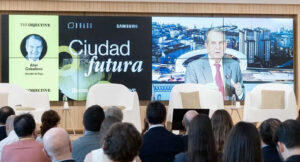
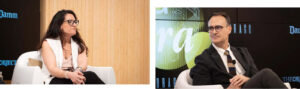
Housing, urban competitiveness, artificial intelligence (AI), and city regeneration were the focus of the third edition of Ciudad Futura (Future City), the forum organized by THE OBJECTIVE that brought together mayors, experts, and business representatives in Madrid on Thursday to discuss the main challenges facing Spanish cities in the coming years. The event, held at the Ortega-Marañón Foundation with the support of Drago, Samsung, Moeve, and Damm, emphasized the need to promote more livable and sustainable urban environments capable of attracting talent, investment, and economic opportunities.

More liveable and connected cities

During the event’s opening address, the mayor of Vigo, Abel Caballero, emphasized the role of cities as the “axis” upon which citizens’ quality of life is built and defended the need to promote more sustainable, accessible, and livable urban models. The mayor cited Vigo’s transformation as an example, highlighting the reclamation of public spaces, the creation of green areas, and the protection of its natural environment. “We have to remake the beaches, make them livable, and understand them as a place for people to come together,” he said. He also underscored the restoration of the estuary and the improvement of the city’s water infrastructure, insisting that “cities must call for action” in the face of challenges such as climate change and the management of increasingly scarce resources.

Abel Caballero also defended Vigo’s commitment to sustainable mobility and pointed out that the city boasts one of the world’s largest networks of mechanical mobility systems, including elevators, ramps, and moving walkways. “We are making urban transport the cheapest in all of Spain,” he stated. The mayor also called for greater autonomy for local councils in areas such as housing, education, and social services.

“The Spanish government provides resources to the autonomous communities, but they don’t always reach the housing sector,” he criticized, before pointing out that in Vigo, “the autonomous community has built zero affordable rental housing units in the last 18 years.” He also advocated for the integration of AI into city management and emphasized Vigo’s economic role as an industrial leader in sectors such as automotive, shipbuilding, and fishing. “We need to create a tourist city, but also a deeply industrial and economic one,” he concluded.

How to attract talent and investment

In a conversation moderated by José Manuel Calvo, Quality Director of THE OBJECTIVE, architect and urban planner Fernando Caballero reflected on the factors that determine the competitiveness of cities and their capacity to attract talent, investment, and economic activity. Caballero argued that cities function as “living organisms” and warned that the main challenge arises when “everything happens in cities and everyone wants to go to cities.”

During the discussion, he emphasized the importance of connectivity for driving economic growth, noting that “places that are connected grow,” citing the development of cities like Toledo and Guadalajara thanks to their transport connections. In this regard, he advocated for strengthening the rail network and improving connections to intermediate cities to prevent all economic and demographic activity from being concentrated in major capitals. “We need to create a metropolitan area,” he stated, defending greater integration between Madrid and surrounding municipalities and cities such as Getafe, Leganés, Alcorcón, and Ávila.

When asked about the elements that make a city attractive to businesses and workers, Fernando Caballero emphasized the need to combine “affordable housing, efficient, fast, and accessible transportation” with better integration of those arriving from other countries. The urban planner criticized the difficulties in having professional qualifications recognized and recounted the case of a Venezuelan judge who ended up moving to Miami due to the lack of opportunities to practice her profession in Spain.

He also warned that access to housing has become one of the main obstacles to competing with other major international cities. “If you have low wages and housing is expensive, you cease to be attractive.” Although he acknowledged problems such as gentrification and overtourism, he argued that “the problems of being a global city are preferable to the problems of declining cities” and advocated for promoting affordable, public, and subsidized housing to guarantee the future growth of large cities.

Technology with a purpose to improve urban life

At the Technology with Purpose panel, moderated by Marcos Sierra, representatives from Samsung and BMW analyzed the role that innovation and artificial intelligence will play in the development of the cities of the future, focusing on the need to create useful, accessible solutions adapted to the real needs of citizens. Miguel Ángel Ruiz, Brand Strategy & Innovation Senior Manager at Samsung, argued that the success of technology depends on its ability to integrate naturally into daily life.

“The best technology is the invisible kind,” he stated, before pointing out that “everything that will work is simple.” The executive explained that the company has more than 25,000 people dedicated to innovation and that the development of new products is based on constantly listening to users. “We are dedicated to making everything very simple, to eliminating barriers,” he asserted, while highlighting the importance of collaboration between government agencies and companies to promote innovative solutions. “Solutions emerge when we work together,” he affirmed, referring to public-private partnerships.

For her part, Pilar García de la Puebla, Director of Communication and Institutional Relations at BMW, agreed on the need to strengthen this collaboration and asserted that “no one can provide solutions alone.” During her presentation, she explained some of the advancements the company is already incorporating into its vehicles, such as hybrid systems capable of automatically detecting entry into low-emission zones and switching to electric mode without driver intervention. She also argued that the mobility of the future will be increasingly diverse and flexible, adapting to the needs of each region and each user.

Both García de la Puebla and Ruiz agreed that innovation requires regulatory stability, institutional support, and a greater commitment to talent. In this regard, the Samsung representative lamented the lack of a strong innovation culture in Spain and warned that failure is often penalized too harshly, a factor that, in his opinion, hinders the development of new technological initiatives.

Urban regeneration as an opportunity for cities

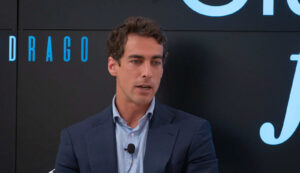
In a conversation moderated by Maite Rico, deputy director of THE OBJECTIVE, Germán López-Madrid, director of Acquisitions at DRAGO, analyzed the main challenges facing cities in terms of housing, urban regeneration and sustainability, advocating for the rehabilitation of buildings and the transformation of obsolete spaces as one of the keys to boosting urban development in the coming decades.

During his speech, López-Madrid warned about the existing imbalance between the creation of new households and the available housing supply. “There are 300,000 new families or people who want to move out on their own, but only about 90,000 homes are being built,” he pointed out. In this context, he explained that one of DRAGO’s key strategies is to give a second life to properties that have become obsolete over time. “We try to give them a new lease on life,” he stated, before recalling some of the projects developed by the company, such as the transformation of the building at Gran Vía 32, formerly occupied by offices of the Prisa Group, into the Primark store that became the largest in Europe. He also highlighted other projects that have allowed for the conversion of old bank buildings into hotels or the repurposing of former barracks for new uses.

The executive argued that urban regeneration not only increases the supply of available spaces but also helps revitalize degraded neighborhoods and areas. “Many properties were built in a certain era and become obsolete over time; we try to transform and improve them,” he explained. He cited as an example some unfinished or underutilized buildings along the Paseo de la Castellana and emphasized that the goal of these projects is “to breathe life into these areas” and generate a positive impact on the urban environment. He also stressed that sustainability is integral to all of the firm’s projects. “It’s non-negotiable.”

DRAGO is an independent real estate investment and management firm founded in 2000, with offices in Madrid, Lisbon, and Miami. Throughout its more than 25 years of experience, it has managed and transformed assets worth over €4 billion, focusing on rehabilitation, repositioning, and urban regeneration projects with an emphasis on creating sustainable value for cities and their inhabitants.

Joan Clos warns of a housing crisis

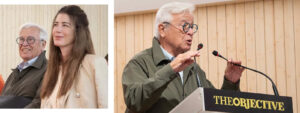
For his part, former Barcelona mayor Joan Clos focused his remarks on two of the major urban challenges facing Spain: the housing crisis and the need to promote large-scale urban regeneration. Clos argued that the housing debate often stems from a flawed diagnosis and reminded the audience that housing responsibilities are “essentially regional,” meaning that solutions must primarily originate from the autonomous communities. In his view, the main obstacle is the lack of sufficient funding to develop public policies for affordable housing. “Spain needs three million subsidized housing units,” he stated, before warning that current initiatives are insufficient to change market dynamics. “They build 2,000 homes here, 5,000 there, but that doesn’t change the underlying problem.” He also cautioned that access to housing continues to worsen while prices in the free market keep rising.

Clos also highlighted urban regeneration as one of the major challenges facing Spanish urban planning. The former mayor explained that much of the country’s building stock is quite old and that many cities need comprehensive interventions to renovate entire neighborhoods, not just specific buildings. “Spanish urban planning legislation is designed for urban growth, not urban regeneration.” During his speech, he recalled some of the projects he spearheaded during his time in Barcelona, ​​such as the transformation of the old town and the regeneration of a district, and argued that a reform of the regulations would allow for the recovery of degraded areas and the creation of new buildings to help solve the housing problem. “If we were to rethink urban regeneration in Spain, we would recover deteriorated parts of our cities and have a greater capacity to address the problem of housing affordability,” he concluded.

Artificial intelligence, energy and smart cities

The roundtable discussion “The Smart City: AI, Energy Communities, and Urban Services” featured David García Núñez, president of Madrid World Capital; Paula Santos, director of Electrification and Energy Communities at UNEF; and Santiago Molina, director of the Higher Polytechnic School at CEU San Pablo University. During the debate, the panelists agreed that technology, AI, and efficient energy management will be fundamental to addressing the urban challenges of the coming decades. García Núñez advocated for the need to “position Madrid and Spain as international leaders” in fields such as architecture, engineering, construction, and urban solutions, while Santos emphasized the importance of energy management for building more sustainable and resilient cities.

Artificial intelligence was a central topic of discussion. Participants analyzed how this technology can contribute to improving mobility, optimizing resource management, reducing pollution, and raising the quality of life for citizens. García Núñez pointed out that the role of AI will continue to grow in the coming years due to its ability to cross-reference data, improve planning, and “structure the territory” through practical applications in urban management. For his part, Santiago Molina focused on the impact this technological revolution will have on education and employment, emphasizing that judgment, creativity, and adaptability will continue to be key differentiators. “Nobody knows exactly what will happen with artificial intelligence in the urban sphere,” he stated, before arguing that all university programs should incorporate knowledge related to this technology to prepare the professionals of the future.

Almeida and Catalá

The day concluded with a conversation between the mayors of Madrid and Valencia, José Luis Martínez-Almeida and María José Catalá, moderated by the director of THE OBJECTIVE, Álvaro Nieto. During the meeting, Catalá publicly thanked the Madrid City Council for its support following the devastating storm that struck the Valencian Community, leaving 230 dead. The mayor asserted that “Spain did not fail them, but the Spanish Government did,” emphasizing that the first personnel deployed to assist the city came from Madrid. “On October 31st, the mayor of Madrid deployed a massive amount of personnel, equipment, and resources that still moves my city,” she stated, before recalling that nearly a thousand Madrid municipal workers participated in the emergency and recovery efforts.

Both leaders also addressed the housing situation, one of the issues that most concerns major Spanish cities. Almeida asserted that it is the “main problem” facing Madrid and defended the need to increase supply by releasing land and constructing new residential developments. The mayor also highlighted that housing permits have increased by 41% compared to the same period last year and advocated for measures to convert commercial buildings into affordable rental housing. For her part, Catalá explained that the Valencia City Council has promoted nearly a thousand public housing units and released land to develop some 13,000 new homes, in addition to launching a public rental agency to mobilize vacant housing.

Filed Under: EN

  • 1
  • 2
  • 3
  • Next Page »

Copyright © 2026 · Drago on Genesis Framework · WordPress · Log in

logo

España

Serrano, 67. Planta 2ª. 28006 Madrid
+34 91 781 57 00
+34 91 781 57 21
hola@drago.com.es

Portugal

Rua da Esperança, 9. 1200-655 Lisboa
+35 1 210 106 795
+35 1 210 106 793
lisboa@drago.com.es

Miami

1000 Brickell Avenue, Suite 1112
Miami, FL 33131
miami@drago.com.es

Contacto para prensa

Cris Arana
ca@drago.com.es
©2025 DRAGO S.L. Política de privacidad Figaro Brands
Gestionar el consentimiento

Para ofrecerte la mejor experiencia, utilizamos tecnologías como las cookies para almacenar y/o acceder a información de tu dispositivo. Al aceptar estas tecnologías, nos permites procesar datos como tu comportamiento de navegación o identificadores únicos en este sitio. Si no aceptas o retiras tu consentimiento, algunas características y funciones podrían verse afectadas.

Funcional Always active
El almacenamiento o acceso técnico es estrictamente necesario para el propósito legítimo de permitir el uso de un servicio específico solicitado explícitamente por el suscriptor o usuario, o para el único propósito de llevar a cabo la transmisión de una comunicación a través de una red de comunicaciones electrónicas.
Preferences
The technical storage or access is necessary for the legitimate purpose of storing preferences that are not requested by the subscriber or user.
Estadística
The technical storage or access that is used exclusively for statistical purposes. El almacenamiento técnico o el acceso se utiliza exclusivamente con fines estadísticos anónimos. Sin una orden judicial, la cooperación voluntaria de su proveedor de servicios de Internet o registros adicionales de terceros, la información almacenada o recuperada únicamente para este fin no suele utilizarse para identificarle.
Marketing
The technical storage or access is required to create user profiles to send advertising, or to track the user on a website or across several websites for similar marketing purposes.
  • Manage options
  • Manage services
  • Manage {vendor_count} vendors
  • Read more about these purposes
Ver preferencias
  • {title}
  • {title}
  • {title}